Heating pipe failed in the kitchen screed, Burnham
Nothing showed on the surface. Thermal imaging mapped the pipes, tracer gas found a strong signal under the kitchen within ten minutes, and only the laminate and screed above it came up.
- Location
- Burnham, Buckinghamshire (SL1)
- Property
- Detached two-storey house
- System
- Combi boiler; copper heating pipes in screed
- First sign
- Heating losing pressure with no sign of damp on the surface
- Engineer
- Mark Jones, ADI Leak Detection
- Outcome
- Leak found; 22mm copper section replaced; held at 2 bar
What was happening
A central heating leak was suspected in a detached house with a combi boiler. There were no signs of a failure at the surface.
How the leak was traced
Thermal imaging
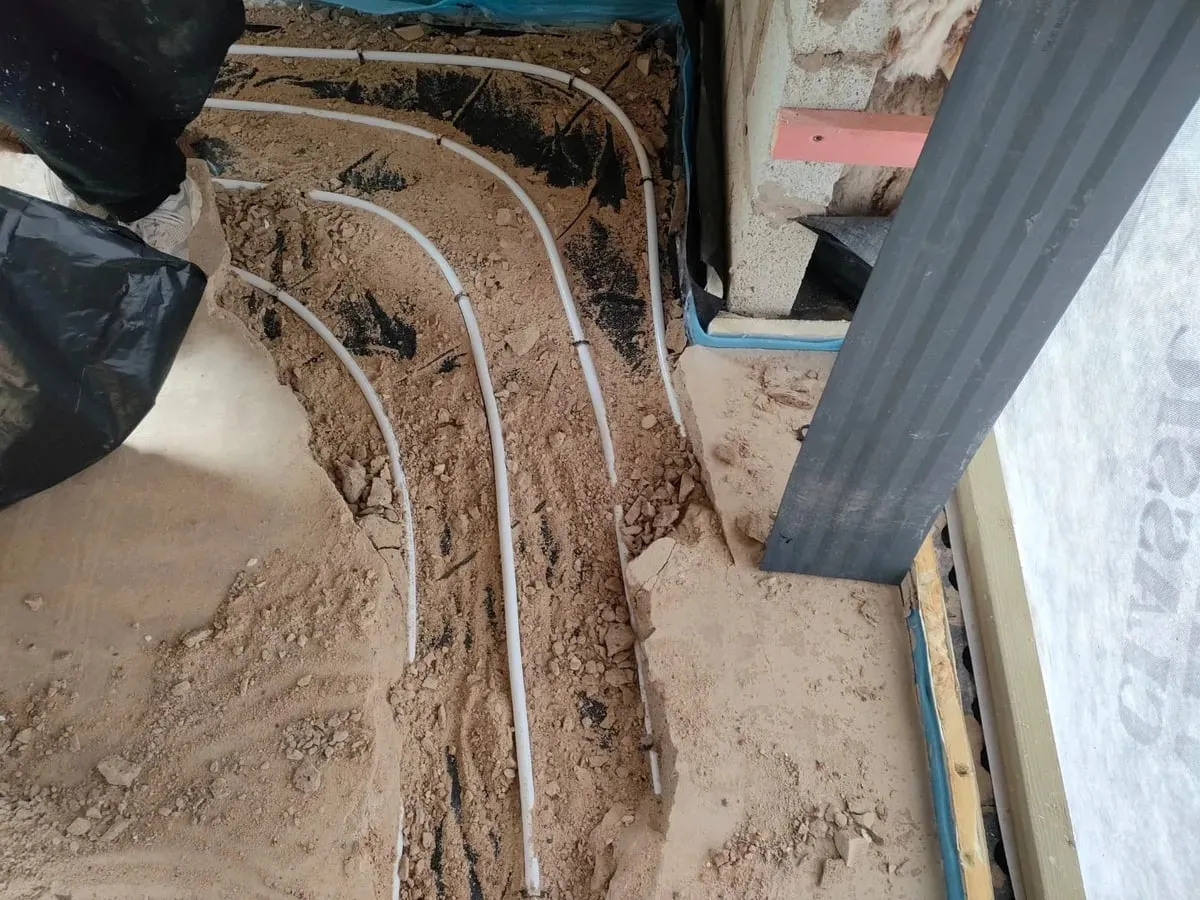
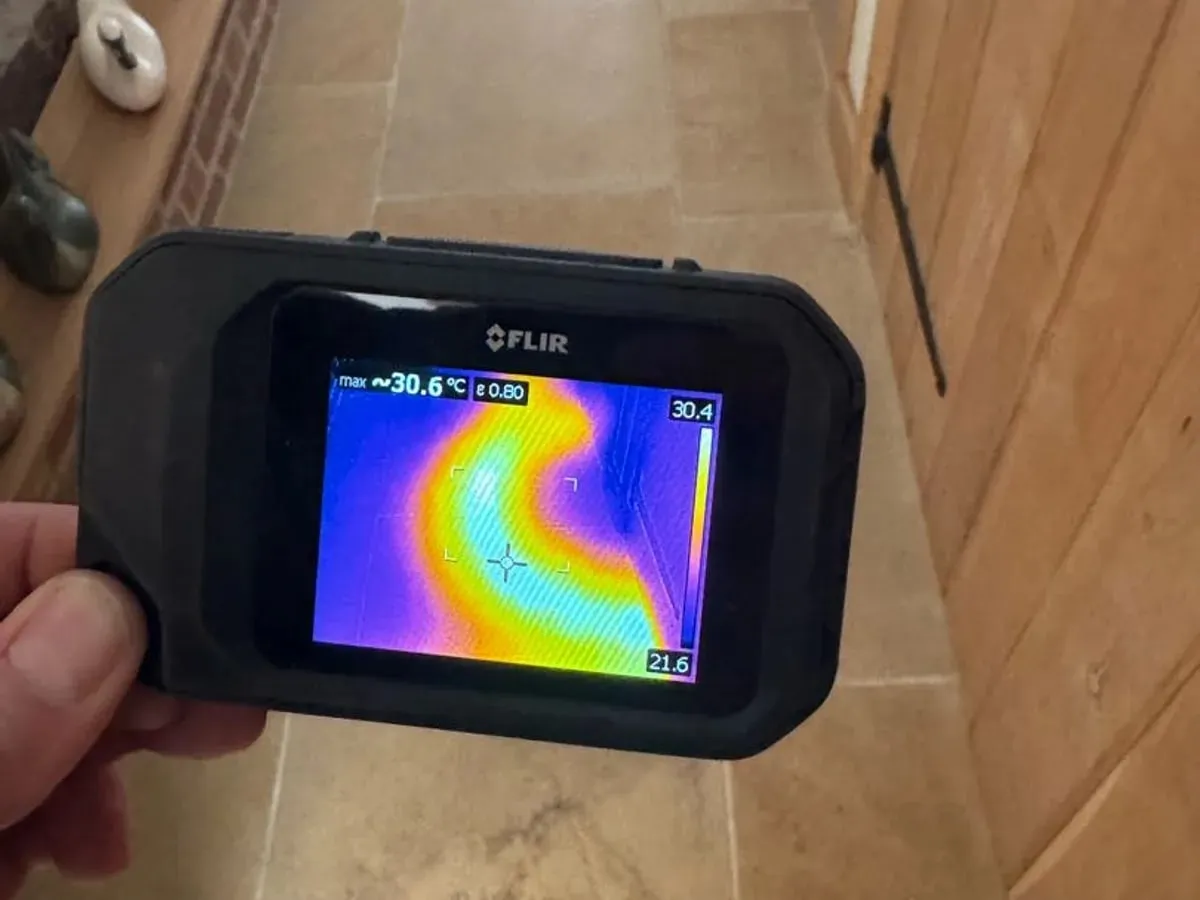
Mapped the pipe runs on both floors, then later showed a retained heat spot where the gas signal was strongest.
Tracer gas
The system was drained and hydrogen tracer gas put in. A strong signal came up under the kitchen floor within about ten minutes. The gas was left 40 minutes more and the rest of the house checked; no other leak showed.
Damp meter
A slight but measurable rise in moisture at the same spot.
Pressure testing
After the repair the system was tested at 2 bar and held.
What was found
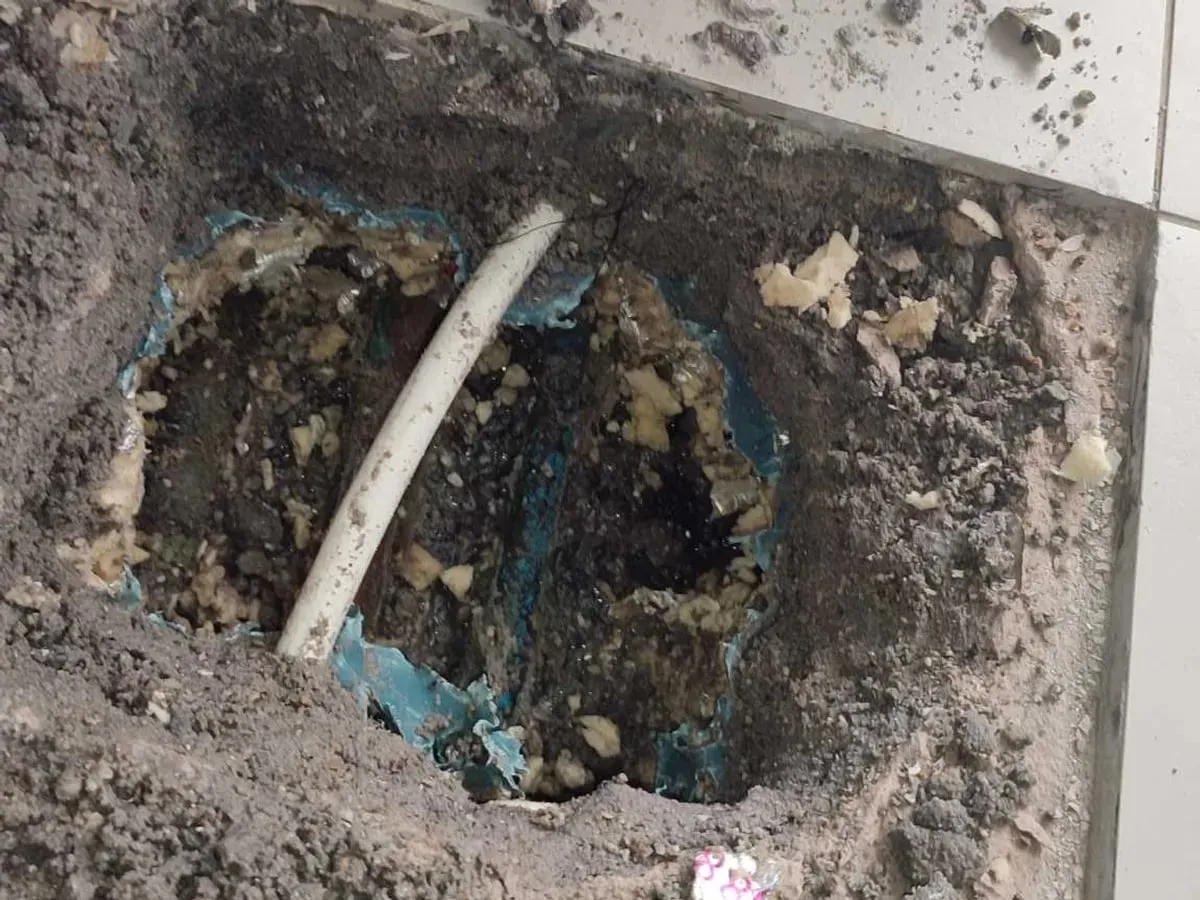
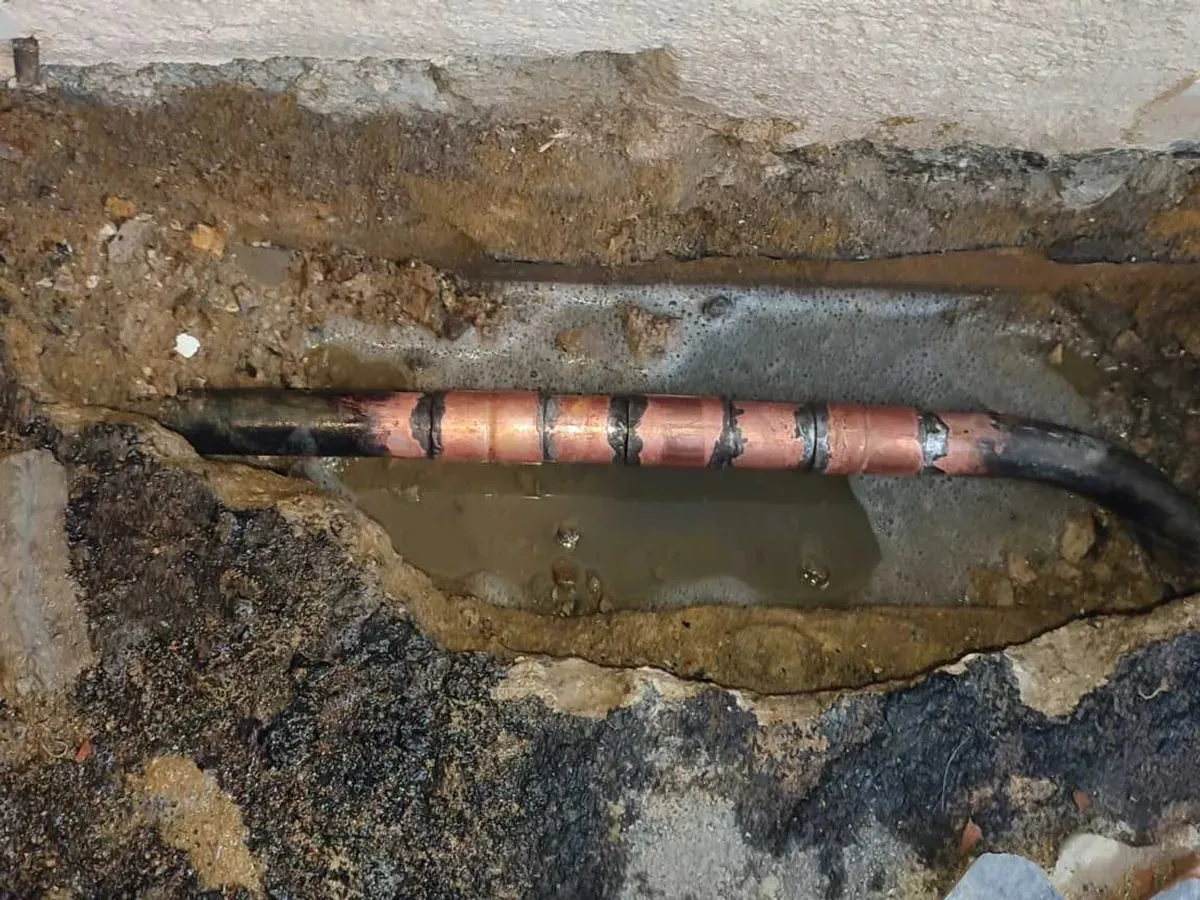
A failed copper pipe embedded in the kitchen screed.
What happened next
The failed section was replaced with a short length of 22mm copper, the system tested at 2 bar and held, inhibitor was added and a 30-minute run showed no further leaks.
The engineer noted that the boiler’s automatic air vent had been isolated and may need replacing.
No damp does not mean no leak
A floor can look and feel dry while a heating pipe leaks inside it. Tracer gas does not need the water to reach the surface.
Photos from the job
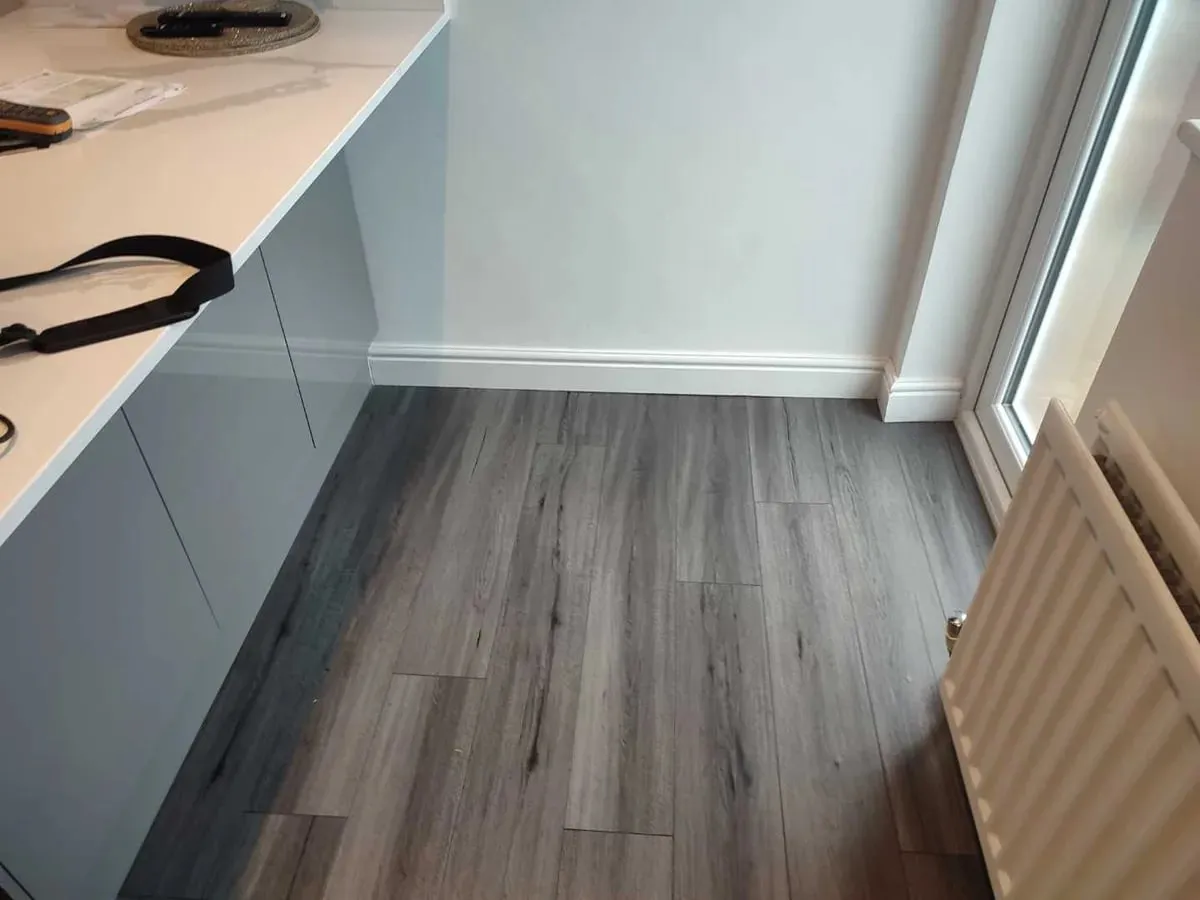
The kitchen floor before the survey: no visible sign. 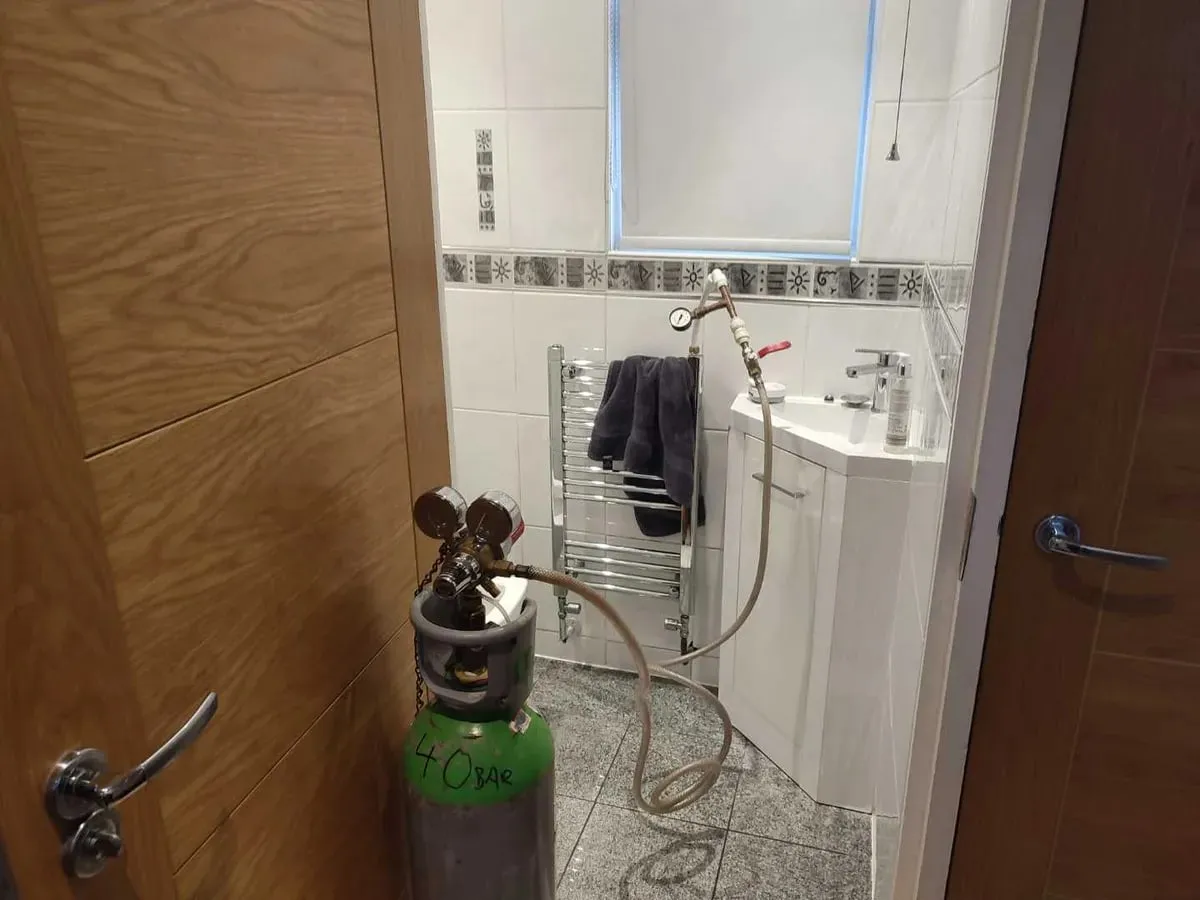
Tracer gas going into the drained system. 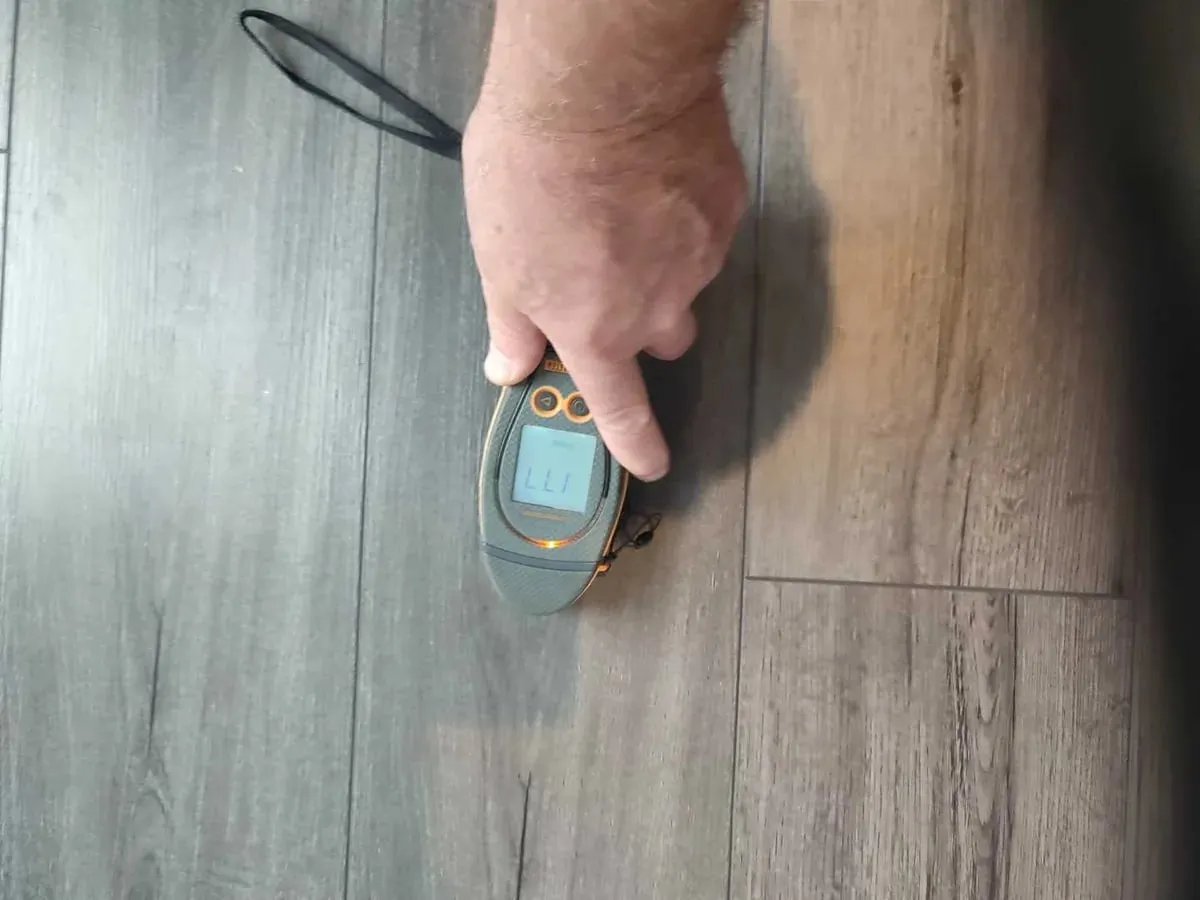
Moisture reading on the laminate. 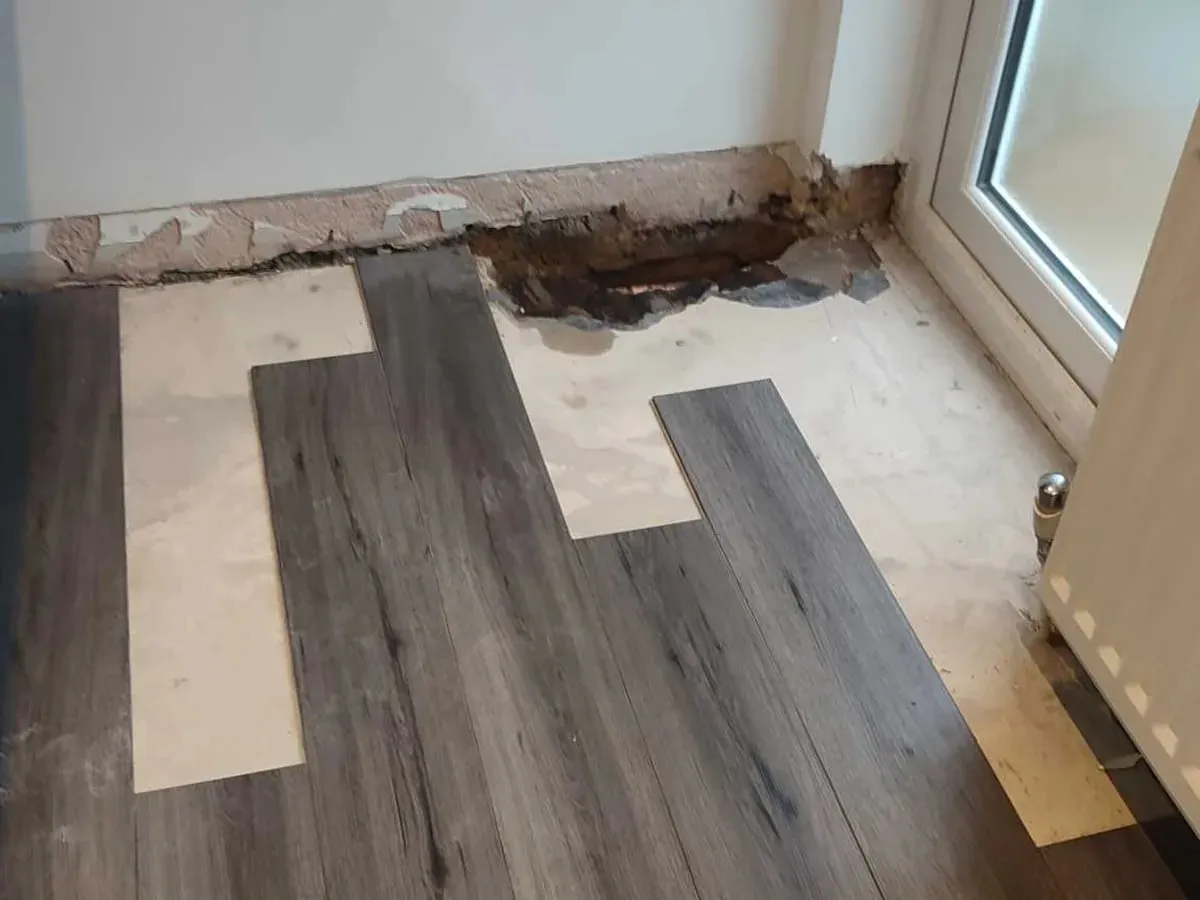
Only the boards above the fault were lifted.
Case published by ADI Leak Detection. Photos taken by the engineer during the investigation.